


WELCOME TO FRANCE
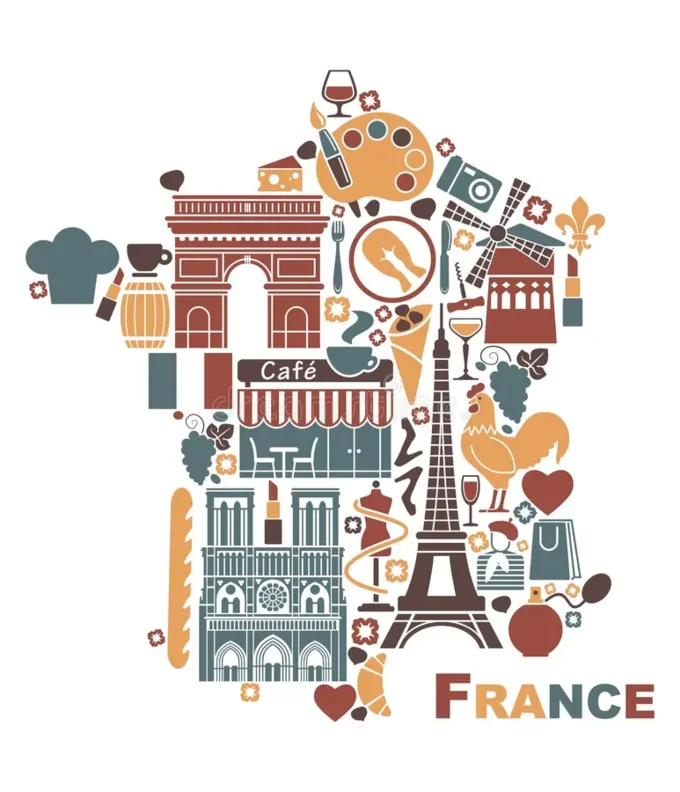
France is a country rich in history, heritage and culture, all of which contribute to its international reputation. From Paris and its iconic landmarks, such as the Eiffel Tower, the Louvre and Notre-Dame, to the Loire Valley castles, the Alpine landscapes and the Mediterranean and Atlantic coastlines, our country offers a remarkable diversity of regions and traditions.
This diversity is also reflected in French gastronomy, a key part of the French way of life. Cheeses, breads and pastries, wines, seafood and regional specialities: every region has its own expertise, products and culinary traditions. Since 2010, the gastronomic meal of the French has been inscribed on UNESCO’s Intangible Cultural Heritage List, highlighting the importance of sharing and conviviality around the table.
France is also a major sporting nation. Football, rugby, cycling, judo, fencing, swimming, athletics and badminton are just some of the sports in which French athletes regularly compete at the highest international level. The Paris 2024 Olympic and Paralympic Games provided a remarkable illustration of the important role that sport plays in French society.
Through these European Universities Championships, we hope to give you the opportunity to discover an open, dynamic and diverse France, where heritage, culture, gastronomy and sport come together.
STRASBOURG : THE HEART OF EUROPE
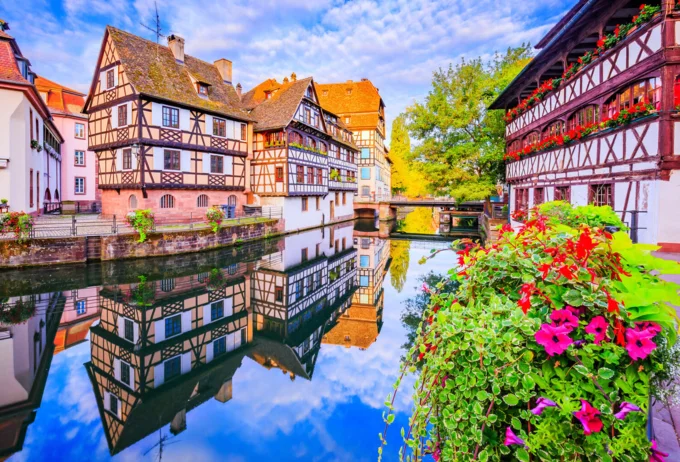
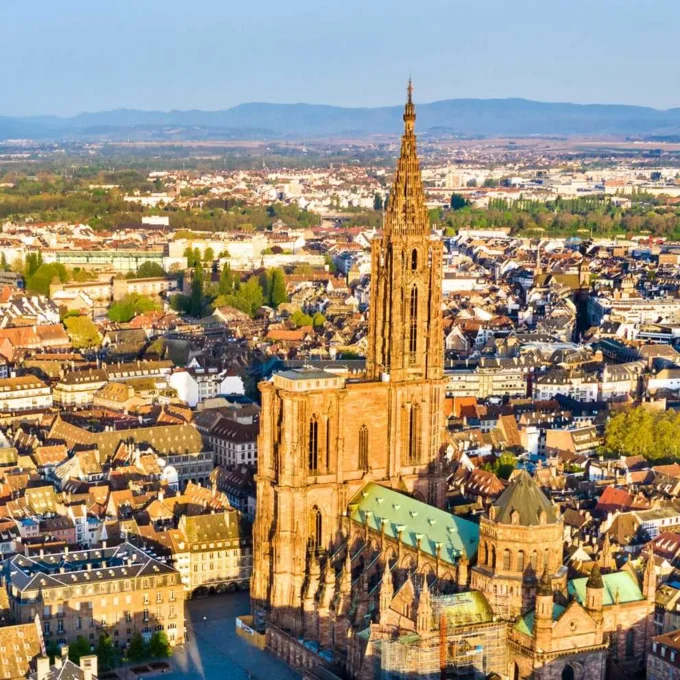
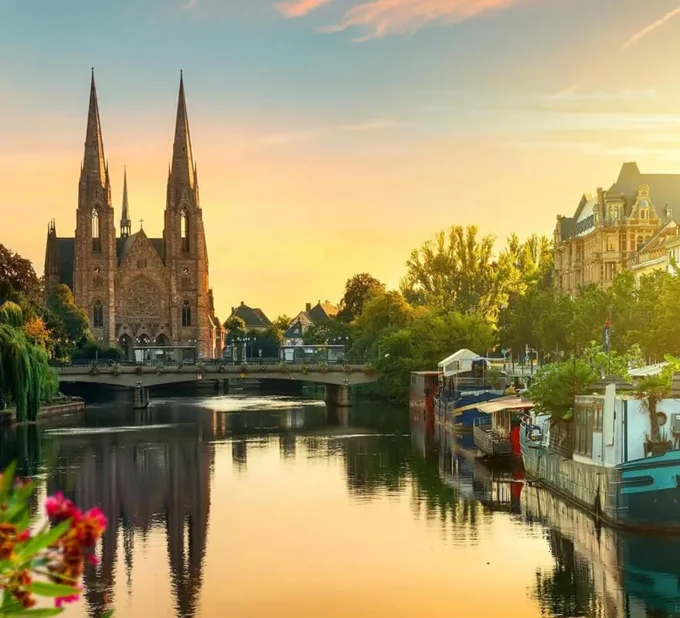
Strasbourg, the capital of Alsace and a symbol of European unity, is a city where history, culture and modernity coexist on a daily basis. Its historic city centre, a UNESCO World Heritage Site, its famous Notre-Dame Cathedral, its half-timbered houses and its picturesque canals offer visitors a unique setting, combining tradition and vibrancy.
Renowned for its rich culinary traditions, Strasbourg invites visitors to discover Alsatian specialities such as choucroute, tarte flambée and kougelhopf, as well as its markets and numerous fine dining establishments. Its parks, riverbanks and cycle paths also contribute to its excellent quality of life, whilst its vibrant cultural and academic life gives the city a particularly dynamic atmosphere.
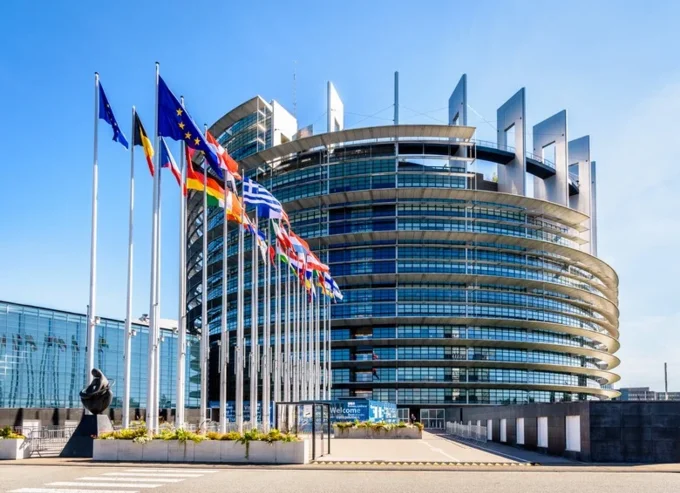
Situated at the heart of Europe, right on the border with Germany, Strasbourg is widely recognised as the capital of Europe, not least thanks to the European Parliament, located just a stone’s throw from the competition venue. This exceptional proximity offers participants a unique opportunity to experience the European spirit first-hand, making Strasbourg a particularly significant host city for the European University Chamjpionships.
Easily accessible from many European cities, Strasbourg perfectly embodies the values of openness, diversity and exchange that lie at the heart of the Championships, providing an ideal setting for welcoming students and delegations from across the continent.
WEATHER IN STRASBOURG IN JUNE
In late June in Strasbourg, the weather is generally warm and sunny, with temperatures of around 24 °C during the day and 13 to 14 °C in the evening. Rain is still possible, particularly in the form of showers or thunderstorms, but hot spells can be very dry. During the heatwave of June 2026, temperatures reached 35 to 40 °C during the day, with nights that were sometimes very warm, around 20 °C or higher. This exceptional situation shows that we are not immune to another heatwave in 2027.
OTHER USEFUL INFORMATION FOR VISITING
- Language : The official language is French. English is widely spoken in hotels, tourist areas and among university students.
- Time Zone : France follows Central European Time (CET, UTC +1) during winter and Central European Summer Time (CEST, UTC +2) in June.
- Currency : France uses the Euro (€).
- Payments : Credit and debit cards are widely accepted in shops, restaurants and public transport services. Contactless payments are common, and ATMs are readily available. Carrying a small amount of cash may be useful for markets and smaller establishments.
- Emergency Number : The European emergency number is 112, available free of charge throughout France. You can also call 15 for medical emergencies, 17 for the police and 18 for the fire brigade.
- Electricity : France uses a 230V supply voltage and a frequency of 50Hz. Plugs are type C and E, so visitors from countries using different plug types may need an adapter.
- Tourist information centre : https://www.visitstrasbourg.fr/